Health and Safety Policy for Carpet Cleaners E1
 Carpet Cleaners E1 is committed to maintaining a safe, healthy, and well-managed working environment for all staff, clients, and anyone who may be affected by our activities. This policy sets out the standards we follow to reduce risk during carpet cleaning operations, including preparation, treatment, equipment use, and post-cleaning procedures. Our aim is to ensure that every task is carried out with care, professionalism, and attention to health and safety at every stage.
We recognise that carpet cleaning involves a range of potential hazards, such as wet floors, electrical equipment, cleaning agents, manual handling, and exposure to dust or residue. For that reason, our approach is based on prevention, planning, and clear communication. All team members are expected to understand this policy and apply it consistently while working in domestic, commercial, and shared environments.
We also believe that effective safety management supports service quality. A well-controlled cleaning process helps protect surfaces, reduces disruption, and creates a more reliable outcome for customers. By following a structured safety system, carpet cleaners in E1 can work efficiently while reducing the likelihood of injury, damage, or avoidable incident.
Responsibilities and Safe Working Standards
Every employee and contractor must take reasonable care of their own safety and the safety of others. This includes wearing suitable protective equipment, using machinery correctly, and reporting any defect, hazard, or near miss without delay. Supervisors are responsible for ensuring that work is planned properly and that all operatives are competent to carry out assigned tasks.
Before any job begins, a basic risk assessment must be completed. This should consider the type of flooring, room layout, access routes, ventilation, presence of children or pets, and any known sensitivities to chemicals. Where a higher level of risk is identified, extra controls must be introduced before cleaning starts. This may include restricting access to the area, placing warning signs, or adjusting the cleaning method.
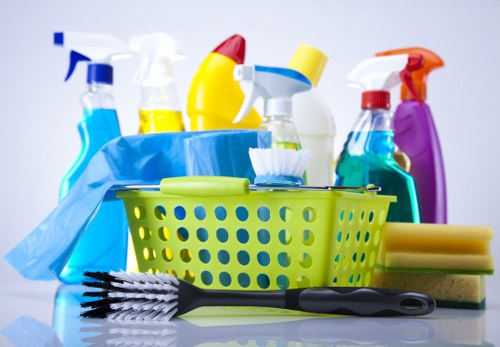
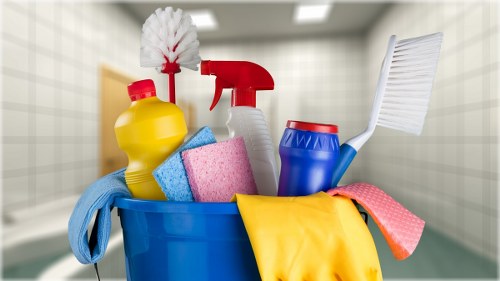
 All cleaning products used by carpet cleaning specialists must be stored, handled, and applied in line with the manufacturer’s instructions. Products should be clearly labelled and never mixed unless the instructions specifically allow it. Staff must avoid unnecessary exposure to detergents, deodorisers, and stain treatments, and should wash hands after use to maintain good hygiene.
Equipment safety is essential. Machines should be inspected before use to ensure cables, plugs, hoses, and fittings are in good condition. Faulty equipment must not be used. Where electric machinery is involved, staff must keep hands dry where possible, avoid overloading sockets, and ensure cables are positioned to prevent trips and snagging. Cleaning machines should be switched off and isolated before maintenance, refilling, or transport.
Manual handling is another important area of control. Carpet cleaners often move portable machines, solution containers, and accessories between rooms or floors. Staff should assess the weight and shape of each item before lifting and use safe posture, stable footing, and team assistance when needed. Repetitive tasks should be managed sensibly to reduce strain and fatigue.
 Particular attention must be given to slip and trip prevention. Wet carpet, damp underlay, trailing hoses, and newly cleaned surfaces can all create hazards. To reduce risk, the working area should be organised so that walkways remain clear and customers or building occupants are kept away from active cleaning zones. Floors should be allowed adequate drying time, and cautionary signage should be used whenever surfaces may be slippery.
Training, Hygiene, and Emergency Action
Training is a core part of this policy. All staff must receive instruction on safe chemical handling, equipment operation, hazard recognition, and emergency procedures. Training should be refreshed regularly to reflect new products, updated methods, or changes in work practice. A competent workforce helps reduce errors and supports a culture of safety and accountability.
Personal hygiene standards must also be maintained. Workers should keep uniforms clean, avoid eating or drinking while handling chemicals, and use gloves where appropriate. If a product splashes on the skin or eyes, the affected area should be rinsed immediately and medical assistance sought if required. Any symptoms of irritation, breathing difficulty, or dizziness must be reported at once.
In an emergency, staff must act calmly and follow the relevant procedure. This may include stopping work, isolating equipment, removing people from the affected area, or seeking first aid. Spills should be contained quickly and cleaned using suitable methods. Where an incident involves injury, fire, electric shock, or significant chemical exposure, escalation must be immediate and records must be completed afterwards.
Monitoring, Review, and Continuous Improvement
 The health and safety performance of carpet cleaners is monitored through regular checks, supervision, and incident review. Any recurring issue should be investigated so that corrective action can be taken. This may include improving training, replacing worn equipment, changing products, or revising methods to better control risk.
We expect all personnel to contribute to safe working by following instructions, raising concerns early, and supporting improvements. Safety is not a one-time task but an ongoing responsibility. As work conditions change, this policy will be reviewed to ensure it remains practical, effective, and aligned with current operational needs.
 By applying these standards consistently, Carpet Cleaners E1 can deliver a dependable service while protecting people, property, and working conditions. Our commitment to safe carpet cleaning is built on prevention, professionalism, and respect for everyone involved in the cleaning process. This policy is intended to guide daily practice and strengthen a workplace culture where safety is always a priority.